








Since the HHC ban cleared out the shelves, things have been moving fast in the scene. The big question: “What’s next?” A lot of people think HHZ is simply the logical successor, basically HHC with a new look. But if you take a closer look, you’ll quickly see: It’s not that simple. HHC and HHZ are two completely independent developments, each with its own unique character.
This guide dives deep into the topic. We’ll break down the chemistry without overwhelming you with formulas, look at why the market is shifting so strongly toward HHZ, and give you valuable tips for handling the new formats. Whether you see HHZ as just a temporary fix or a lasting addition – after this article, you’ll have a clear overview.
The big shift: Why HHC is history
It almost feels like forever ago, but it really hasn’t been that long since HHC (hexahydrocannabinol) was the gold standard. Then, at the end of 2024, came the big news: Regulatory authorities in Germany pulled the plug. HHC was officially added to the list of substances not permitted for sale. For us as retailers, that meant: Immediate stop. We cleared out our entire HHC range to make room for new, legally secure options.
Why did this happen? The New Psychoactive Substances Act (NpSG) was updated to include substance groups that had previously existed in a gray area. The goal was to clean up the market. If you want to read the full story behind the ban and all the legal details, you’ll find everything you need in our deep dive on the HHC ban in Germany. The gap left by HHC was huge – and that’s exactly where HHZ comes in.
HHZ under the microscope: More than just a letter
HHZ stands for hexahydrocannabiziol. If you’re thinking, “That sounds almost like HHC,” you’re right – but also not quite. Chemically, HHZ is a distinct modification. While HHC was often produced from THC or CBD isolates through hydrogenation, the synthesis of HHZ uses a different molecular structure. That’s not just important for chemists in the lab, but also for you as a user.
Why? Because this structural uniqueness is the reason HHZ is currently viewed differently from a legal perspective. It’s not a “clone,” but a further development. In our guide What is HHZ we go even deeper into how it’s made. Here, though, we’re focusing on what changes for you in everyday life: availability, quality, and how you use these products.
HHZ vs. HHC: A direct comparison of the features
So you’re not comparing apples to oranges, we’ve summed up the most important differences here. You’ll quickly notice that modern production has learned from past mistakes:
- Composition: HHC was known for being robust against heat and light. HHZ is catching up here, but brings a different density of active ingredients. The distillate often appears “purer” and clearer in texture.
- Intensity level: This is the key point. The intensity of HHZ products is often perceived as noticeably stronger. Where you might have had a certain routine with HHC, you’re starting from scratch with HHZ. Caution is the top priority here.
- Technological basis: Extraction methods in 2026 are much more precise than they were two years ago. That means fewer residues and more stable quality across different batches.
- Market presence: HHC has disappeared from the legal market. HHZ is currently leading the way and offers the widest range of formats, from Flowers to high-end Vapes.
HHZ Flowers: Where nature meets high-tech
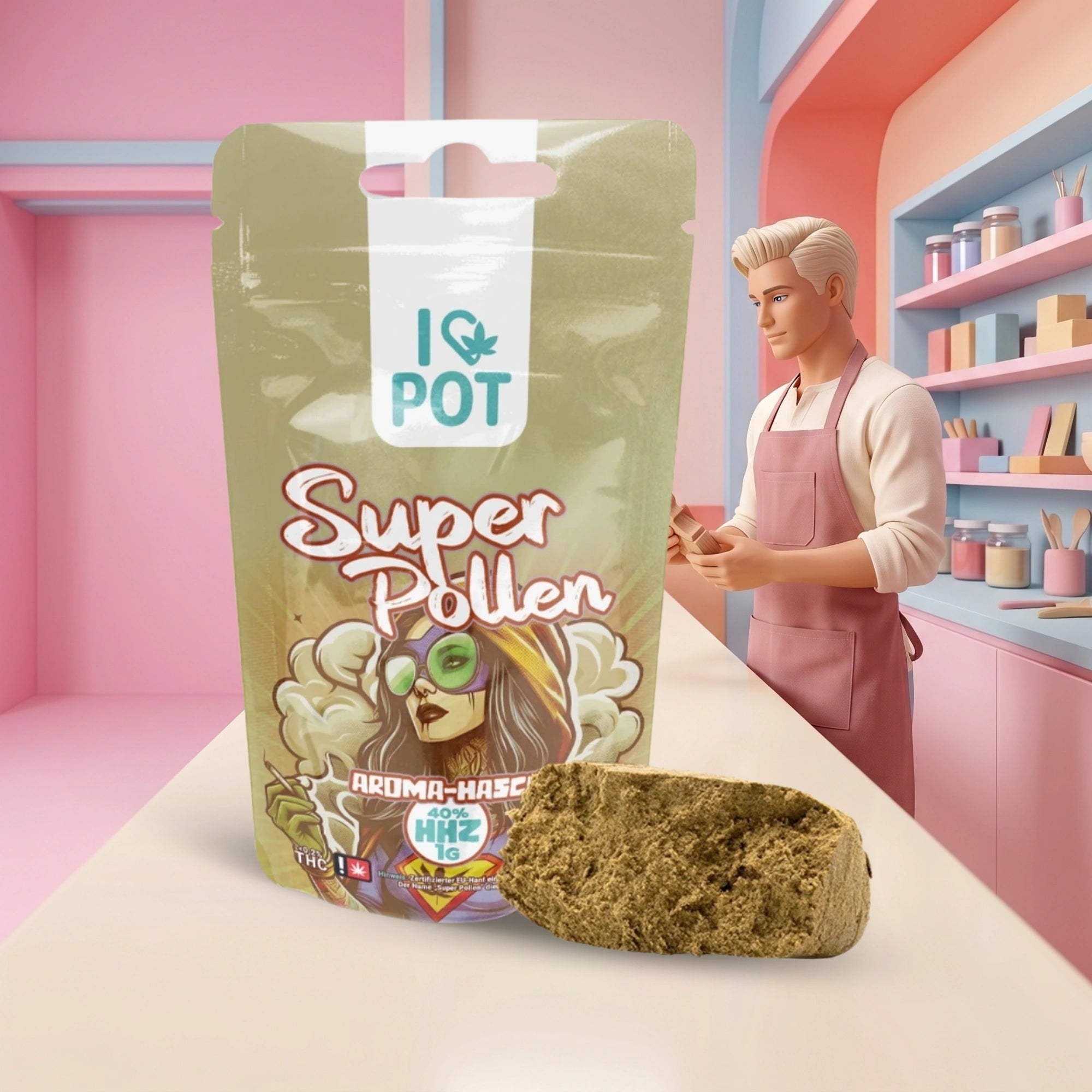
Plant material is and always will be the classic. But let’s be honest: A HHZ blossom isn’t a pure natural product like a traditional industrial hemp blossom. It’s a refined product. The base is high-quality, often CBD-rich hemp blossoms, which are enriched with HHZ distillate using a special process.
In the past, people often just “sprayed” – the result was sticky Flowers and uneven distribution. Today, top producers use what’s called the “cold infusion” process. This brings the HHZ deep into the structure of the blossom without destroying the valuable Terpene. If you go for HHZ Flowers, pay attention to the texture. A good blossom shouldn’t feel “wet” or unnaturally oily. Since the intensity is higher, we always recommend: Take it slow. A small amount is usually enough to check the quality of the material.
Vaping 2.0: Why HHZ systems are booming right now
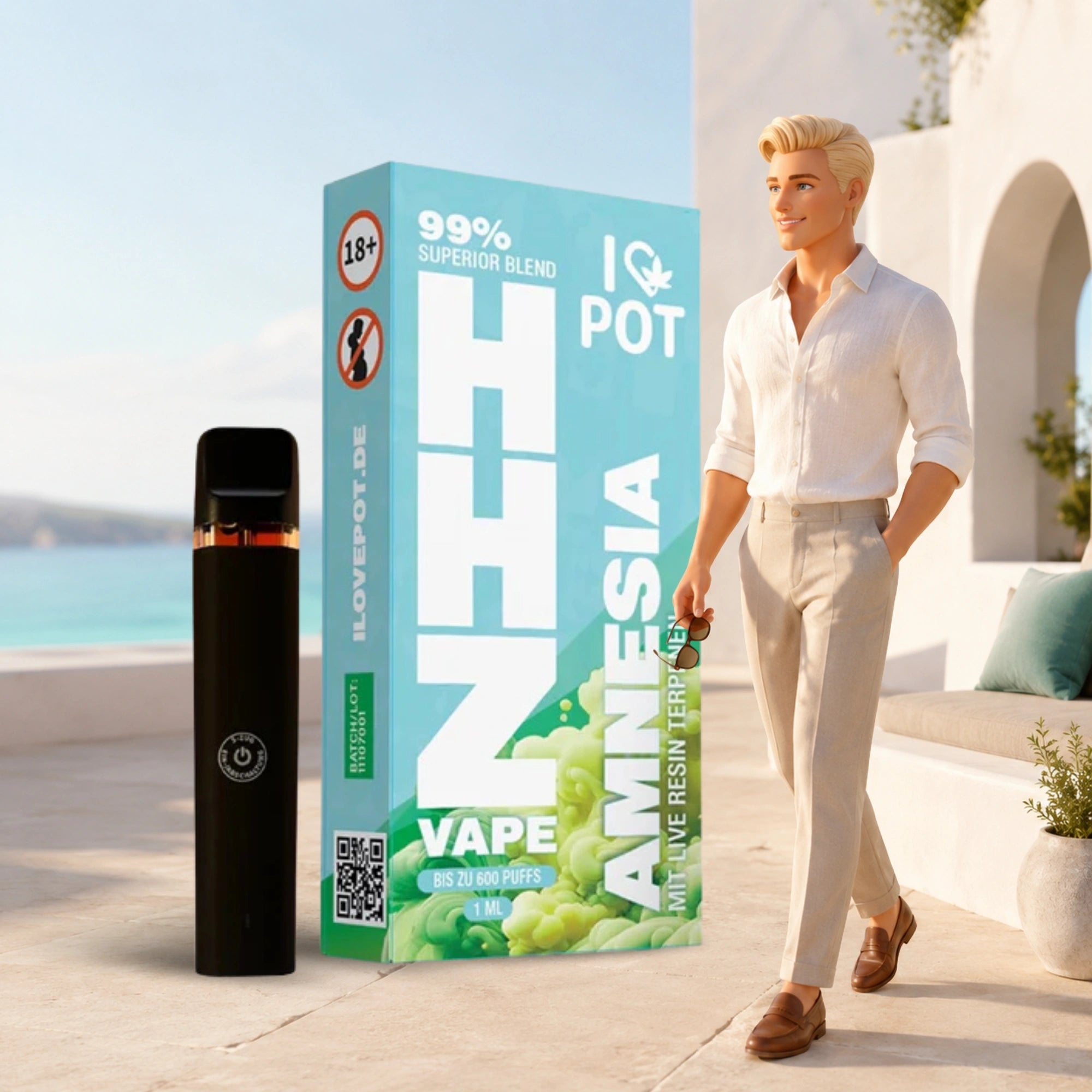
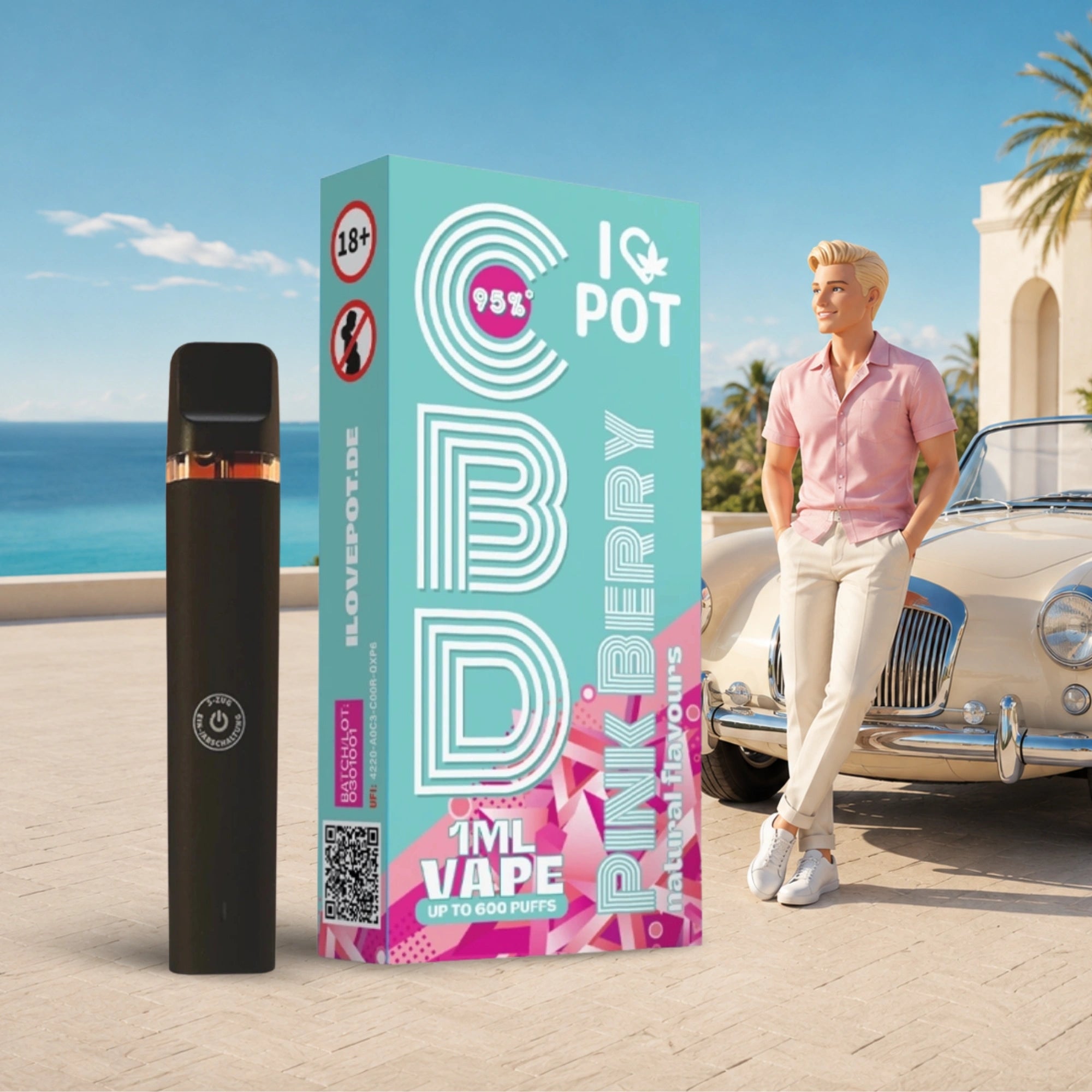
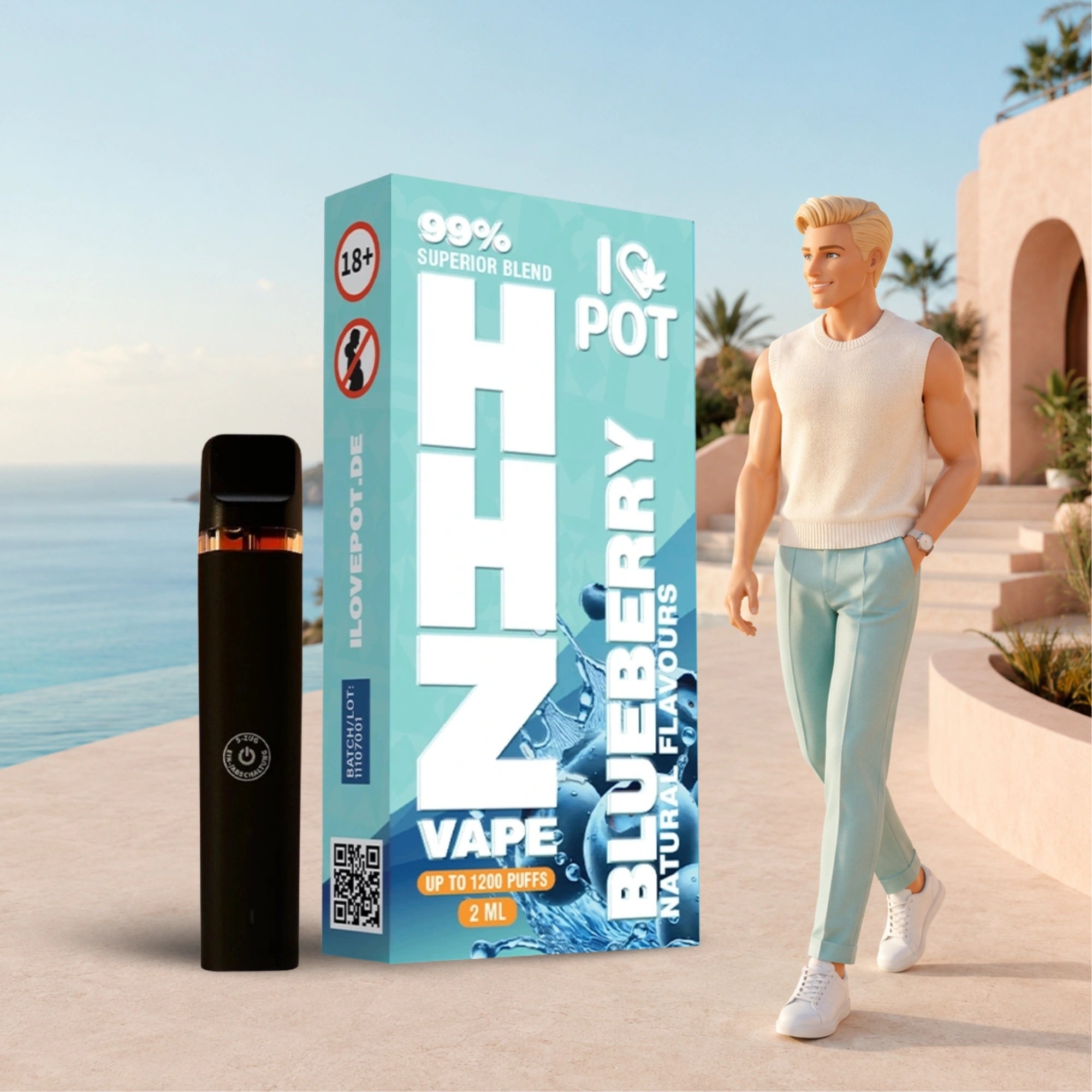
Vapes have taken the market by storm. Why? Because they’re discreet and don’t have the typical smell of combustion. With HHZ Vapes, there have been a lot of technical improvements. The hardware has to handle the special viscosity of HHZ distillates. Cheap Vapes often clog up or overheat the oil.
Our modern systems use ceramic heating elements. This ensures a clean vapor and preserves the aroma of the added Terpene. For you, that means:
- Ready to use: No grinding, no rolling, no hassle. Just unpack and you’re set.
- Precise use: You have full control over how much you use each time. One or two puffs are easy to measure, which is a real safety factor given the higher intensity of HHZ.
- Everyday practicality: No noticeable smell on your clothes or in the room – perfect for when you’re out and about.
The pro check: Storage, shelf life, and purity
A good guide also needs to cover the practical stuff. Nothing’s more annoying than having your high-quality products lose their quality after just two weeks. Cannabinoids are sensitive. Light, air, and heat are their biggest enemies.
Our pro tip for storage: Use dark amber glass containers. Plastic containers can release plasticizers into oily distillates over time or “absorb” the Terpene. Store everything in a cool place, but not necessarily in the fridge (because of condensation). A dark cabinet in the coolest room of your home is ideal. This way, the molecular structure of HHZ stays stable and you’ll enjoy your supply for longer.
Purity is more important today than ever. We make sure our selection is free from harmful solvent residues from synthesis in the final product. Always check that the seller is transparent with lab analyses when you buy.
Legal certainty: Where do we currently stand with HHZ?
We want to be honest with you: The market for new cannabinoids is a moving target. HHZ is currently (as of 2026) marketable in Germany and is not subject to the specific individual bans that affected HHC. But – and this is a big but – authorities are constantly reviewing new substances.
We update our selection immediately if the legal situation changes. That’s part of our promise to you: We only sell what is currently safe and allowed. So you can focus on your current needs when you shop.
Is HHZ the worthy successor?
Looking back over the past few months, the answer is clear: HHZ hasn’t just filled the gap, it’s taken the segment to a new technological level. It’s not a cheap substitute, but a modern alternative with its own character. The intensity is often rated higher than with HHC, which makes it interesting for experienced users, but beginners need to take extra responsibility.
No matter if you love the classic feel of Flowers or prefer the technical elegance of a Vapes – the quality of HHZ products is higher than ever before. What’s important: Stay informed, be aware of the higher intensity, and stick to reputable sources. The market will keep evolving, and we’re excited to see where the journey with HHZ goes next. Have fun discovering new possibilities, but always handle the products with care!